Harris Studio is a place of practice — a workshop for leadership craft. We blend coaching, facilitation, and system design into integrated leadership arcs. We help districts and county offices build culture, think clearly, and collaborate deeply so as to lead with intention and get results.
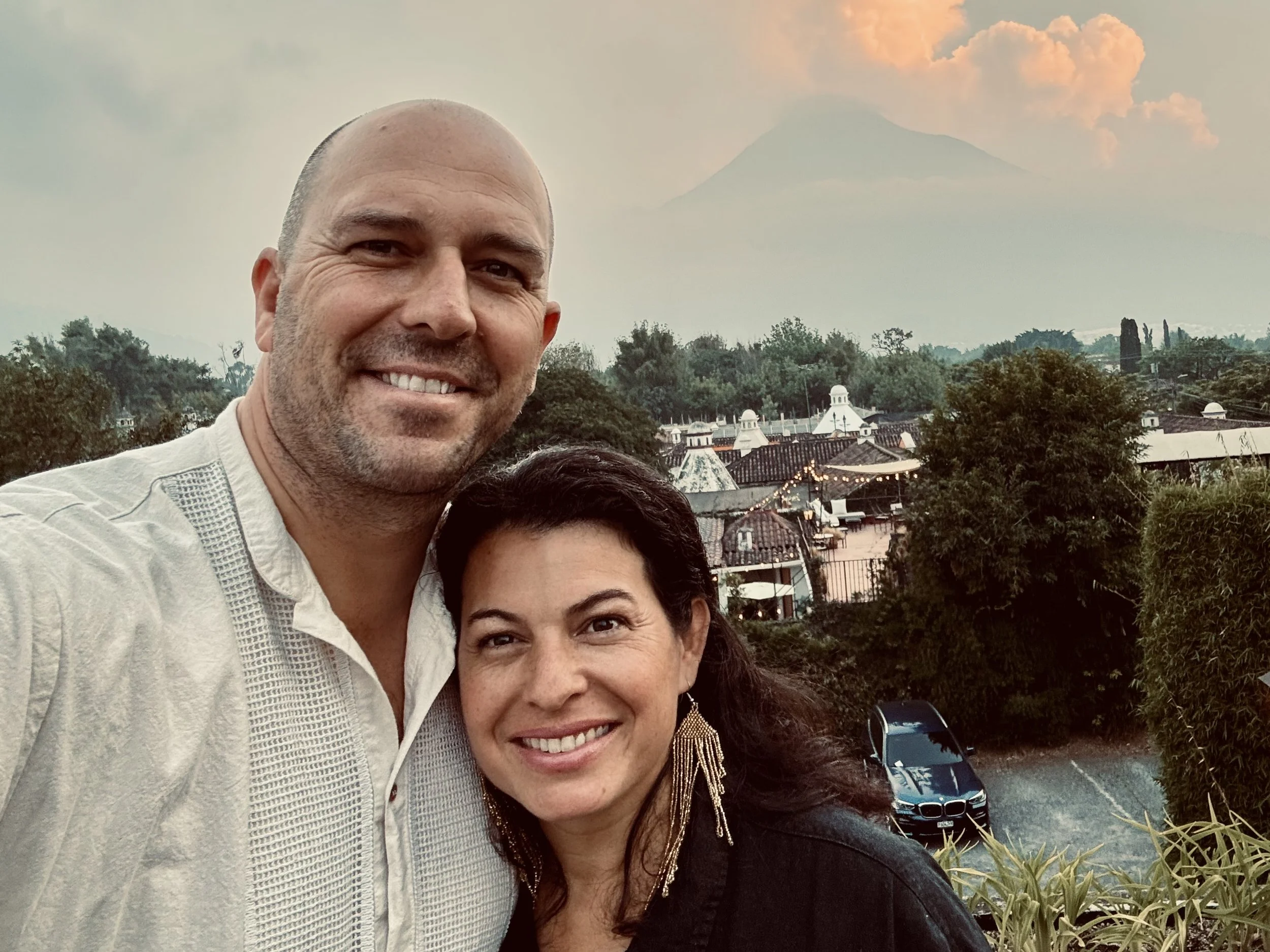
Meet Elizabeth
Co-founder, Harris Studio for School Leadership
Elizabeth Harris has spent her career helping the adults who hold schools together think more clearly, act more courageously, and feel a little less alone in the work. She started as a middle school English and ESL teacher, learning firsthand that leadership is not a title but a daily practice of attention, care, and courage.
Elizabeth spent the next two decades designing adult-learning experiences for educators. At Teach For America, she led national initiatives that shaped the leadership development of more than 43,000 corps members and 2,000 staff, including co-founding the Center for Excellence in Adult Learning. Her work blends human-centered design, systems thinking, and the kind of practical wisdom you only get from sitting in hundreds of rooms with leaders trying to solve real problems.
Elizabeth’s craft is designing learning experiences that feel both structured and deeply human — retreats where people exhale, multi-session journeys that build practical capability, simulations that surface the truth, and tools that help teams work together with more trust and less noise. She is known for her warm, plain-spoken presence, her ability to make complexity legible, and her belief that leadership is a practice, not a performance.
She holds degrees in English and Psychology from the University of Notre Dame and an MA in Secondary Education from Loyola Marymount University. She is certified in Innovation Engineering, LUMA Human-Centered Design, and IDEO Design Thinking — though she’ll tell you that raising five children has been the most rigorous leadership training of all.
Today, as founder of Harris Studio, Elizabeth creates spaces where leaders can think well, grow honestly, and practice leadership as a human art. She partners with school systems to build leadership pathways, strengthen culture, and design environments that actually work for the people inside them.

Meet Matthew
Co-Founder, Harris Studio for School Leadership
Matthew Harris is a systems leader who has spent more than twenty years helping schools work better for the people inside them. He started in the classroom — teaching elementary and dual‑language immersion students — where he learned that leadership is mostly about relationships, integrity, and clarity of purpose.
As a principal, Matthew became known for building schools that were both high-performing and deeply human. He led the transformation of McKinley Elementary, doubling enrollment, strengthening culture, and founding the Petaluma Accelerated Charter School — a program that earned the California Distinguished School Award and consistently ranked in the top 95th percentile for student achievement. He was named Educator of the Year in Petaluma, a recognition rooted in trust, clarity, and the way he showed up for families and staff.
Matthew later served as Assistant Superintendent of Human Resources and then Superintendent, overseeing 18 schools, a $120 million budget, and 900 employees. His leadership brought coherence to complex systems, improved labor relationships, and expanded programs that reflected community needs — dual‑language immersion, CTE pathways, and a public Waldorf school among them. His approach is simple and rare: care about people, make the system legible, and make decisions aligned for impact.
He holds a J.D. from UCLA School of Law, an M.A. in Educational Administration from CSU Northridge, an M.A. in Elementary Education from Loyola Marymount University, and a B.A. in French from the University of Michigan. He also holds California Clear Administrative and Multiple‑Subject Teaching Credentials and a BCLAD in Spanish.
Today, as co‑founder of Harris Studio, Matthew brings his system‑builder mind and grounded presence to leaders navigating complexity. He helps school systems see themselves clearly, align their actions, and build cultures where adults can do their best thinking.